Handmade Crafts & Fine Arts of Mongolia
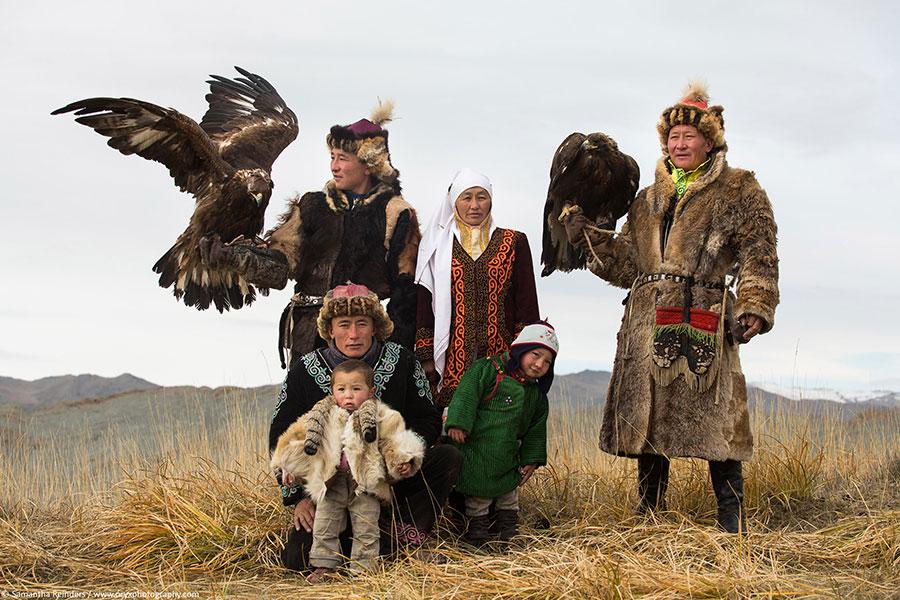
Mongolia’s artistic heritage is deeply rooted in its nomadic lifestyle. For thousands of years, nomads crafted everything they needed for daily life—homes, tools, clothes, saddles, jewelry—by hand. From these necessities grew a rich and sophisticated artistic tradition.
Today, Mongolian crafts and fine arts remain a powerful expression of the nation’s history, creativity, and cultural identity.
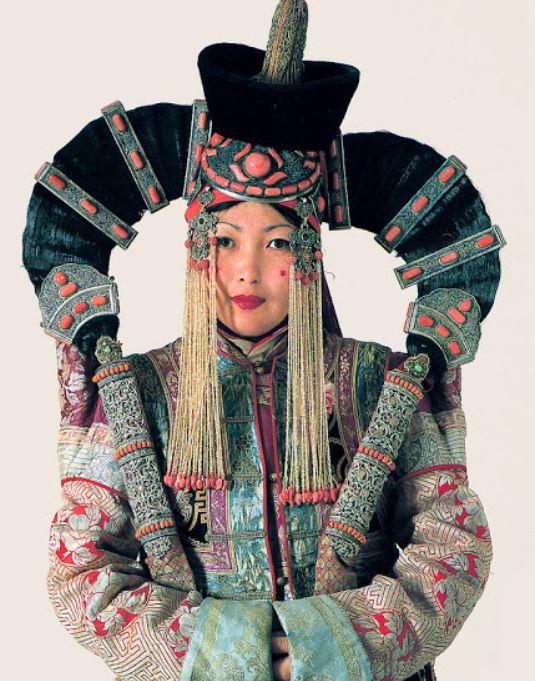
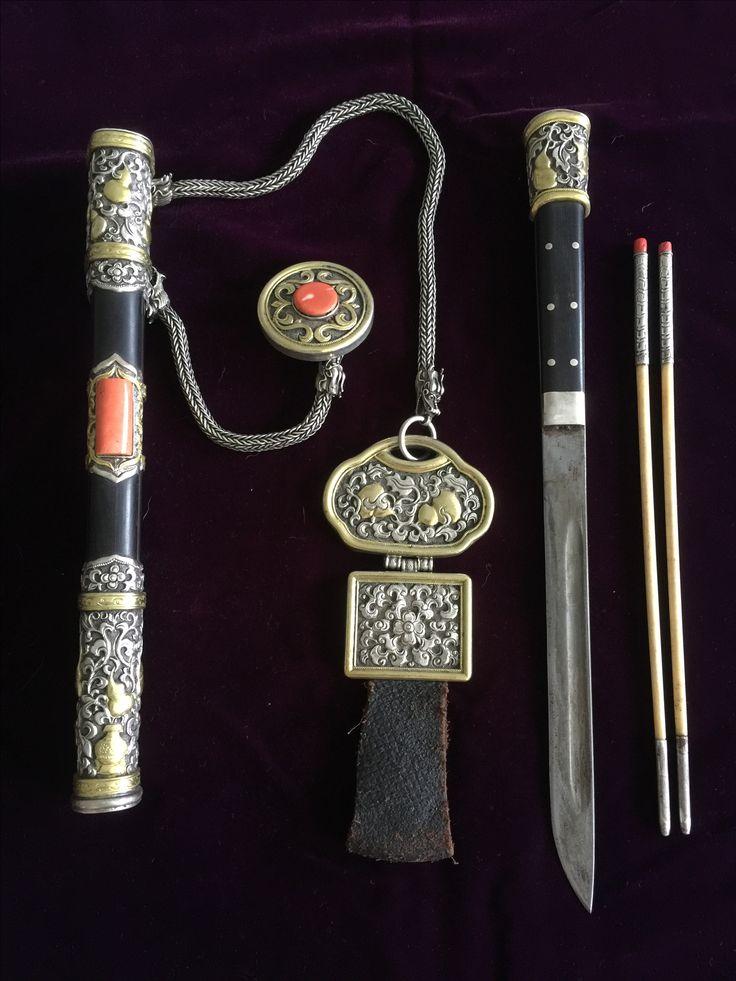
Handmade Crafts of the Nomads
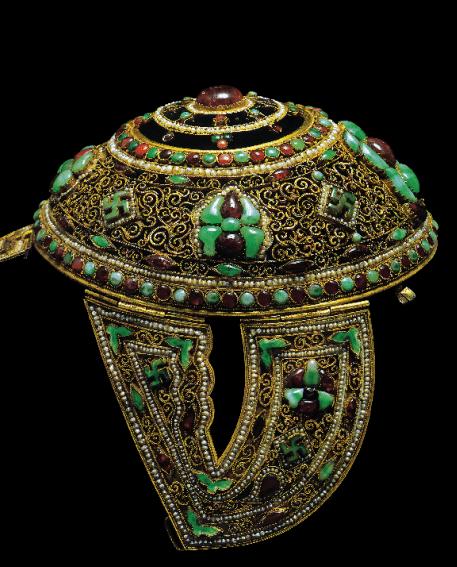
Mongolian nomads have long been skilled in embroidery, felt-making, leatherwork, metalwork, bone carving, and jewelry design. These crafts developed from practical needs but evolved into refined artistic forms.
Ancient Origins
Craft Revival in the 19th–20th Centuries
After Mongolia gained independence in 1911, monasteries, temples, and cultural centers were rebuilt.
This era saw flourishing:
Over time, craftwork became an independent branch of Mongolian art.
Patterns & Symbolism
Mongolia has over 7,000 traditional patterns, each with symbolic meaning.
Among the most ancient:
Traditional motifs reflect the Mongolian worldview, wishes, and values.
Master Craftsmen & Materials
Mongolian artisans work with more than 200 materials, including:
Renowned Craft Regions
Dariganga craftsmen are famous for:
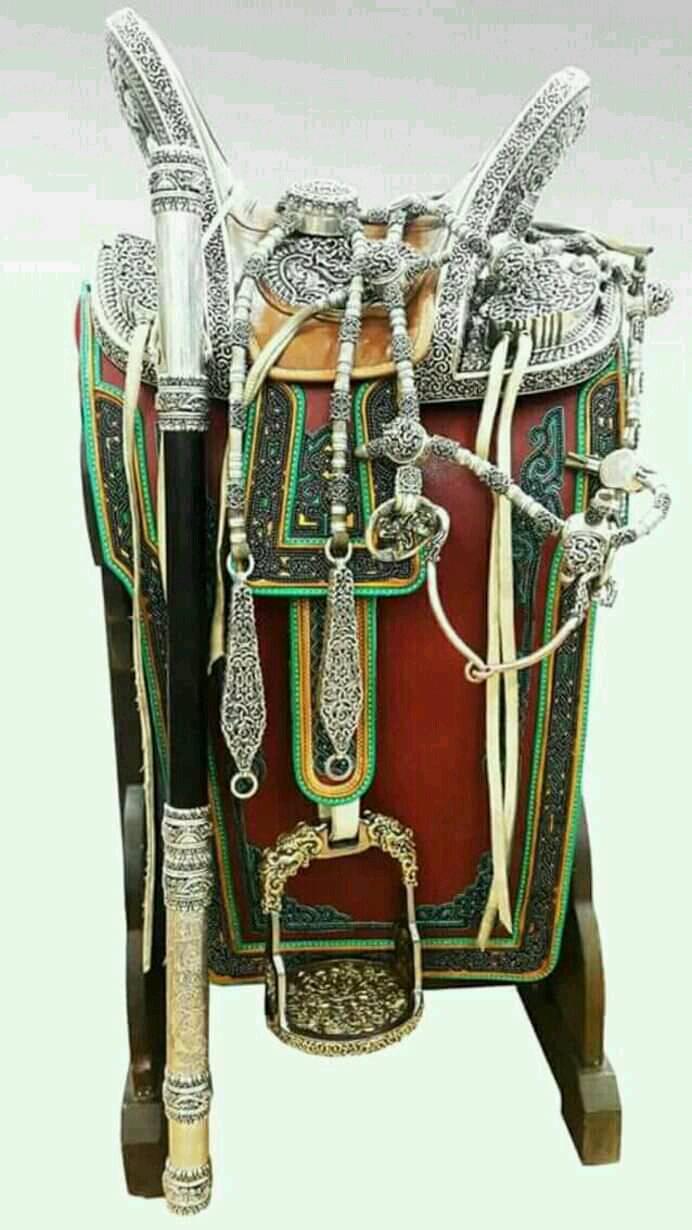
Saddles & Jewelry
Mongolian saddles are masterpieces combining:
Ger Furniture
Wooden craft traditions include:
🖼️ Mongolian Fine Arts
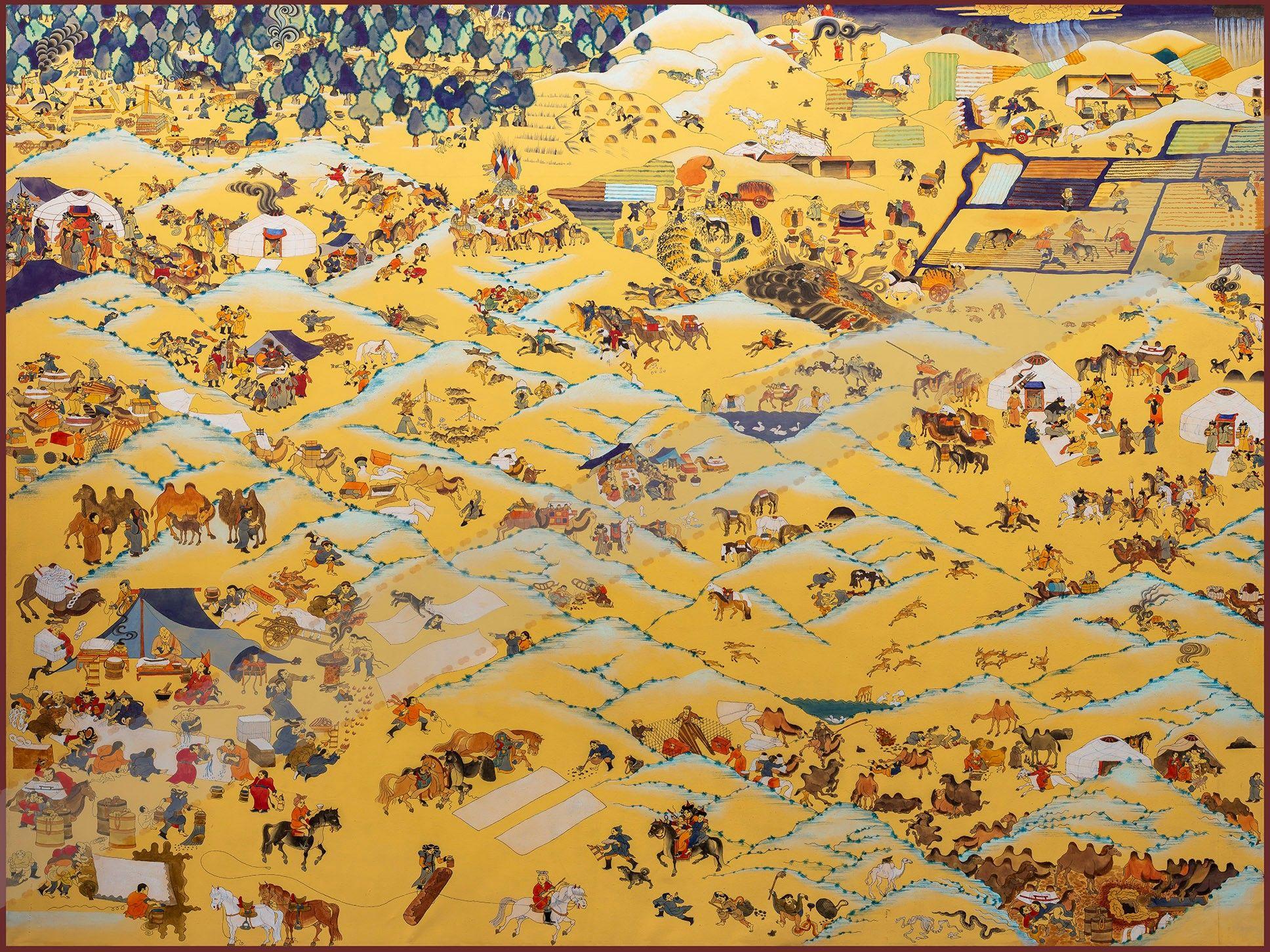
Mongolia’s fine arts reflect thousands of years of cultural layering—from shamanistic symbols to Buddhist iconography, to modern creative expression.
Bronze Age to Early Empires
Buddhist Influence
With the arrival of Buddhism:
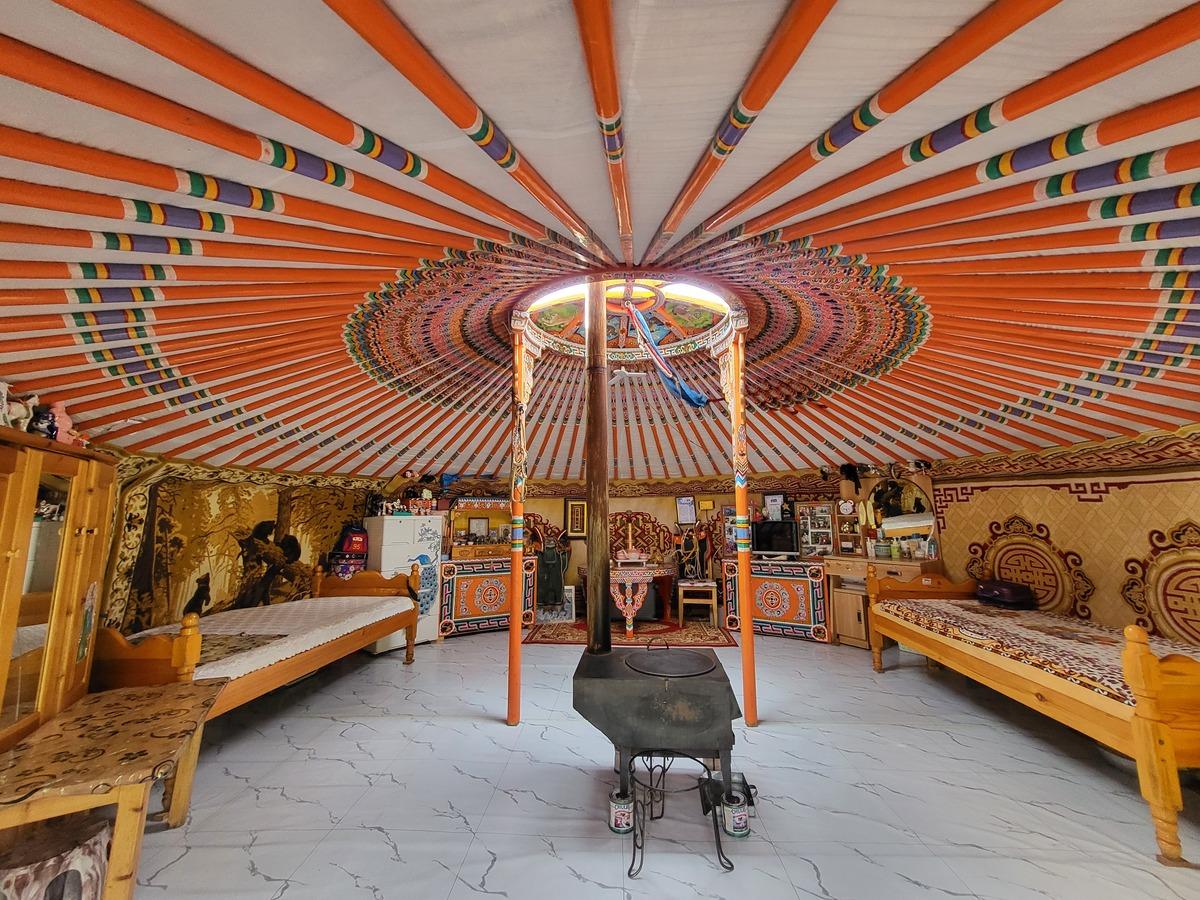
The Ger as an Art Gallery
Everyday objects—saddles, chests, tables, rugs—became canvases for artistic expression, decorated with patterns, color symbolism, and spiritual motifs.
Thangka Art & Religious Aesthetics
Before the 20th century, most Mongolian fine art was religious.
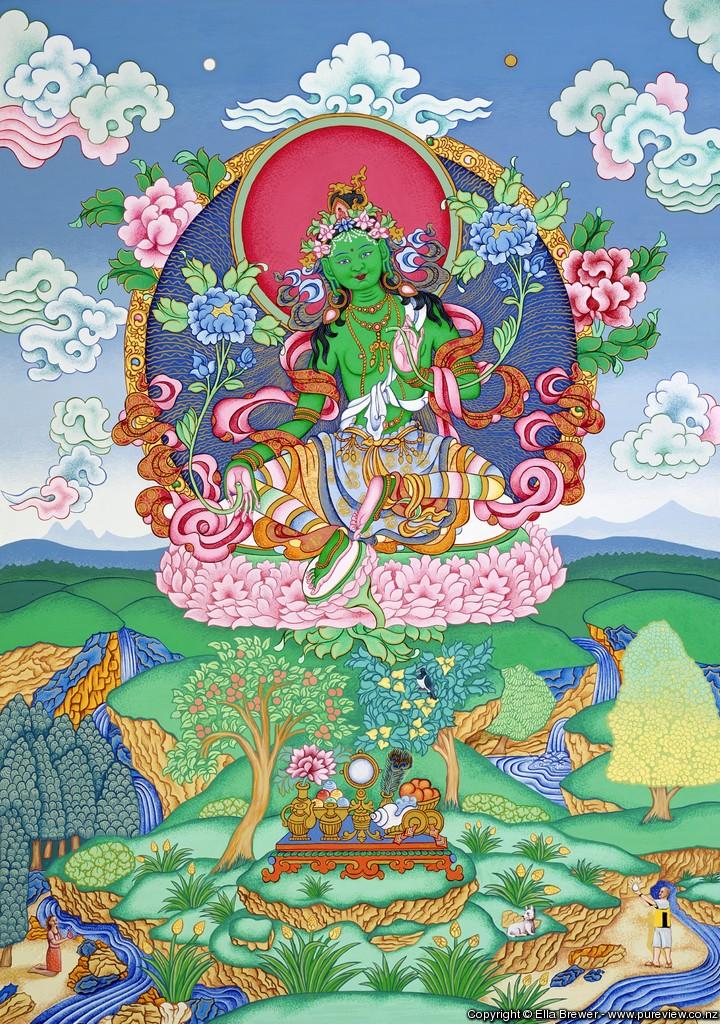
Thangkas (Tanka)
Painted or appliqued thangka scrolls depict Buddhist deities and follow strict rules of:
Three main styles exist:
Artists used cotton, linen, and silk, creating works found in nearly every yurt and monastery.
Zanabazar — Master of Mongolian Renaissance Art
G. Zanabazar (1635–1723) was a sculptor, spiritual leader, and Mongolian Renaissance figure. His works are celebrated for their:
Famous Works
Modern & Contemporary Art
In the late 19th and early 20th centuries, Mongolian artists shifted toward realism and secular themes.
Key Developments
Mongolian Aesthetic Philosophy
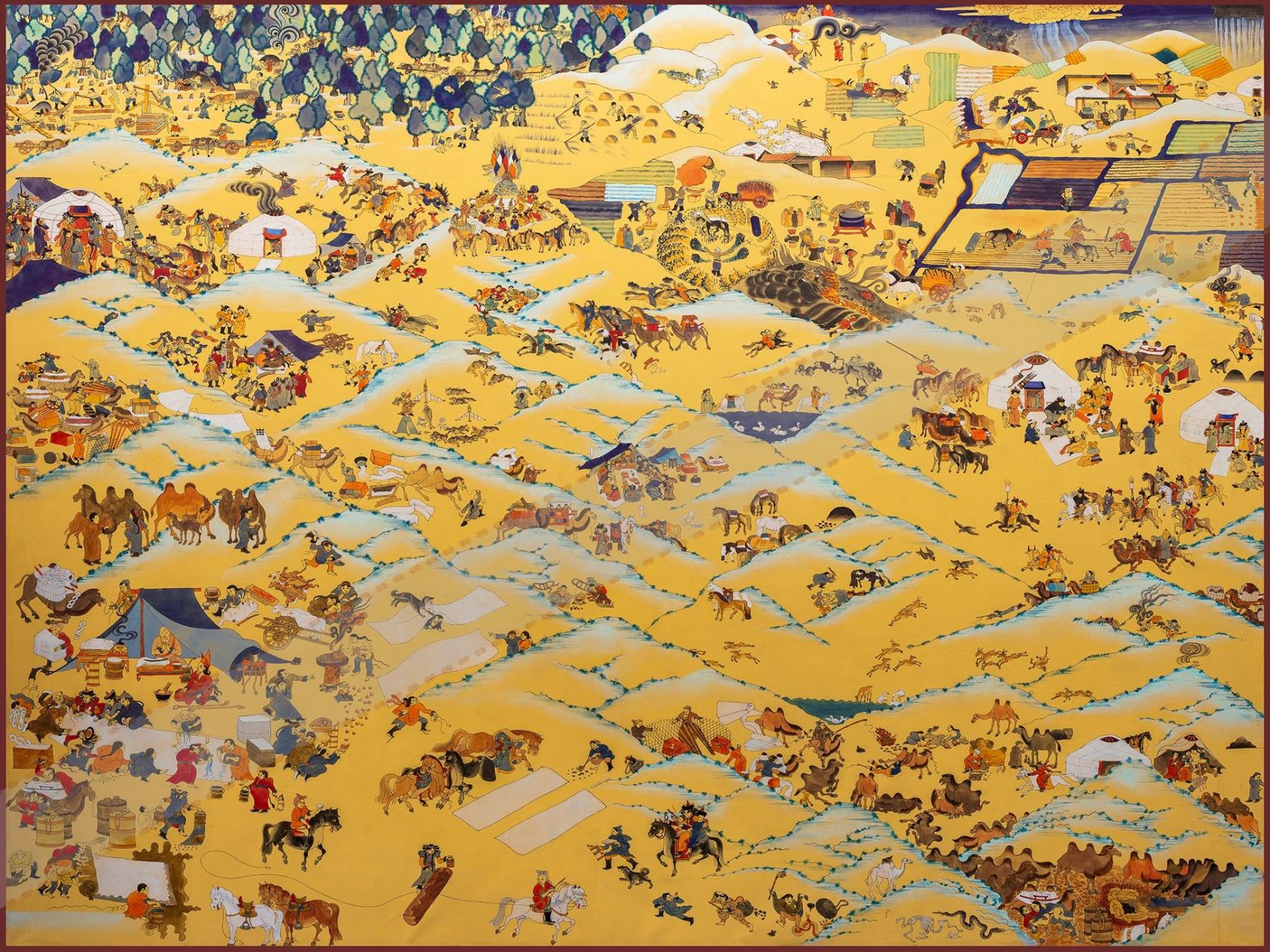
Mongolian beauty ideals emphasize:
In art, foreground and background are equally important, reflecting Mongolian philosophy where everything in the universe is interconnected.
Handicrafts Today
The Mongolian government supports artisans by purchasing significant artworks for museums such as the National Modern Art Gallery. Today, traditional crafts continue to thrive—both as cultural heritage and as modern creative expression.
Visitors can explore handmade crafts at:
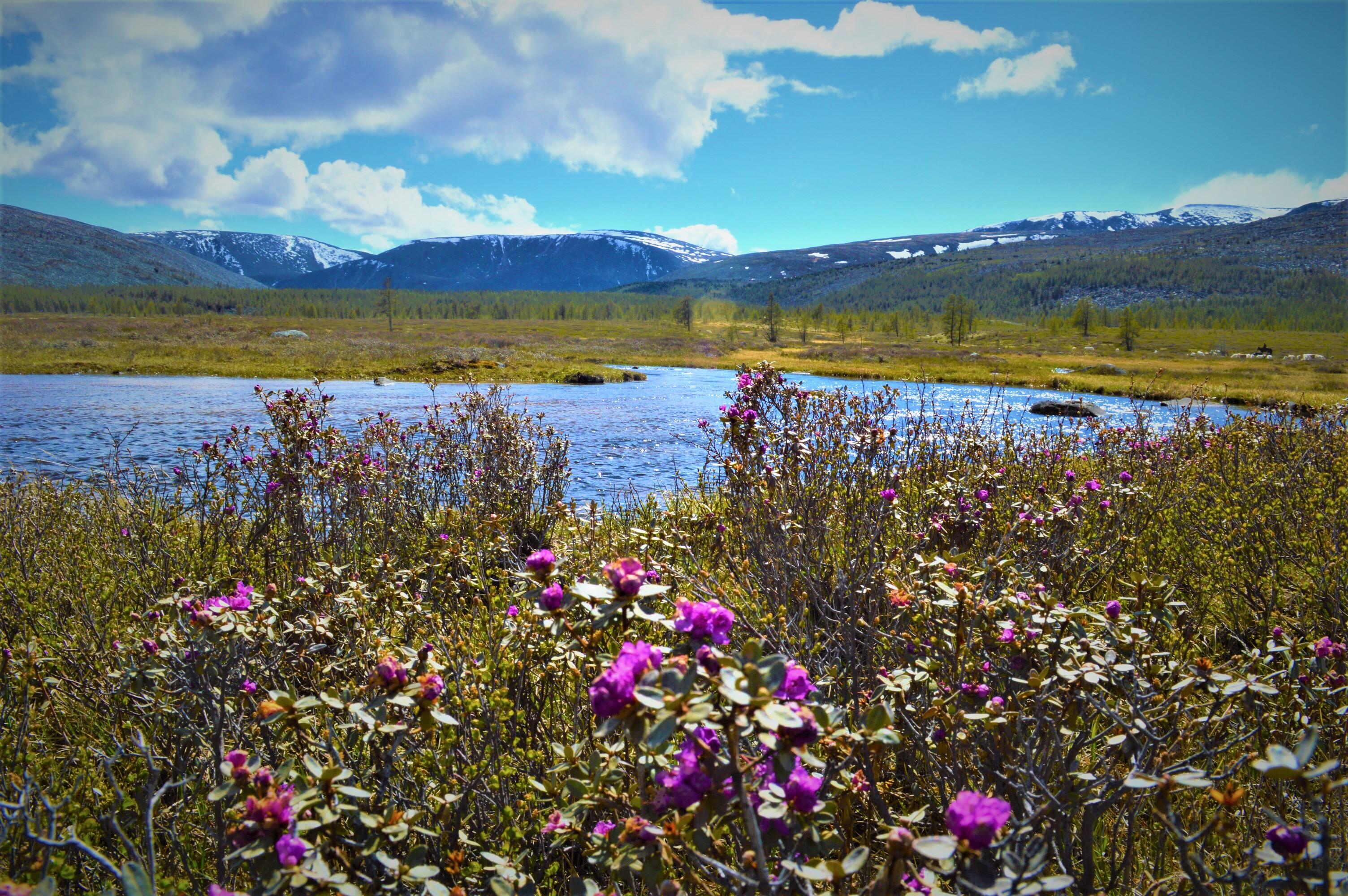
Exceptional Northern Mongolia Experience with Lunas Tours Our journey through Northern Mongolia was truly unforgettable thanks to 'Lunas Tours'. Traveling through the Khuvsgul region, Darkhad Valley, and remote northern landscapes, we experienced pristine nature, rich nomadic culture, and deep local traditions that few tours can offer. The tour was extremely well-organized, with careful planning for long distances, changing weather, and remote conditions. We especially appreciated the authentic experiences—staying with local families, learning about reindeer herders’ lifestyles, and enjoying the peaceful beauty of Mongolia’s northern taiga. The team’s strong local knowledge, cultural sensitivity, and respect for nature made the journey both safe and meaningful. This was not just sightseeing, but a true cultural and natural immersion. We highly recommend 'Lunas Tours' to travelers who want to explore Northern Mongolia in a responsible, authentic, and well-guided way.

Outstanding service by Guide Luna & Driver Eba – Lunas Tours Our trip in Mongolia was exceptional thanks to our guide Luna and driver Eba. Luna was incredibly knowledgeable, professional, and caring. She explained Mongolia’s history, culture, and traditions with passion and clarity, and always made sure everyone felt comfortable and well-informed throughout the journey. Driver Eba was equally impressive. His driving was safe, smooth, and reliable even on challenging roads and long distances. He handled every situation calmly and professionally, making us feel secure at all times. Together, Luna and Eba worked as a perfect team. Their coordination, friendliness, and attention to detail turned our trip into a truly memorable experience. We highly recommend them to anyone traveling in Mongolia with Lunas Tours.
Amazing experience with Lunas Tours – Mongolia Our journey with Lunas Tours was truly unforgettable. From the very beginning, everything was well-organized, flexible, and thoughtfully planned. The team showed deep knowledge of Mongolia’s culture, history, and nature, and they always made sure we felt safe and comfortable. What we appreciated most was Lunas Tours’ personalized approach and support for local communities. Staying with local families, experiencing authentic food, and exploring Mongolia’s breathtaking landscapes made this trip very special. We highly recommend Lunas Tours to anyone who wants a genuine, meaningful, and well-guided travel experience in Mongolia. 🐎
⭐⭐⭐⭐⭐ Lunas Tours gave us an authentic and unforgettable Mongolian experience! Professional guides, great organization, and strong support for local communities. Highly recommended for anyone visiting Mongolia.
Luna Khaliunaa Mongolian Guide provide for me and my company one of the best travel experience we ever had. Mongolia was awesome thanks to her! Ever consider visit Mongolia Lunas' Tours should be your only choice.
Perfect family tour with Guide Luna & Driver Eba Our family had a wonderful experience traveling in Mongolia with Lunas Tours in winter - 2025, especially thanks to our guide Luna and driver Eba. Luna was incredibly kind, patient, and attentive to our children. She explained Mongolian culture and history in a way that was easy and interesting for both adults and kids, making the journey educational and fun. Driver Eba made us feel completely safe throughout the trip. His careful driving, calm attitude, and readiness to help at any moment gave us great peace of mind, especially while traveling with children and luggage. Thanks to Luna and Eba, our family felt comfortable, well-cared-for, and truly welcomed. This was not just a tour, but a meaningful family memory. We highly recommend Lunas Tours for families visiting Mongolia.
함께한 완벽한 가족 여행 저희 가족은 루나스 투어(Lunas Tours)와 함께한 몽골 여행에서 정말 잊지 못할 시간을 보냈습니다. 특히 가이드 루나 와 드라이버 에바 덕분에 아이들과 함께하는 여행이 더욱 편안하고 안전했습니다. 가이드 루나는 아이들에게도 이해하기 쉬운 방식으로 몽골의 역사와 문화를 설명해 주었고, 항상 친절하고 세심하게 가족을 배려해 주었습니다. 여행 내내 아이들의 상태를 살펴주며 부모 입장에서 큰 안심이 되었습니다. 드라이버 에바는 장거리 이동과 험한 도로에서도 항상 안전하고 차분하게 운전해 주었으며, 가족 여행객에게 꼭 필요한 안정감을 주었습니다. 루나와 에바의 완벽한 팀워크 덕분에 이번 여행은 단순한 관광이 아니라 가족 모두에게 소중한 추억이 되었습니다. 몽골로 가족 여행을 계획하신다면 루나스 투어를 진심으로 추천합니다.
Our trip to Mongolia with Lunas Tours was an absolutely unforgettable experience. Traveling through the heart of Central Mongolia — from the breathtaking Orkhon Valley to the remote beauty of the Eight Lakes (Naiman Nuur) — gave us a true glimpse into the soul of this vast and peaceful land. Special thanks to our amazing guide Luna, whose deep knowledge, kindness, and professionalism made the journey smooth and meaningful, and to our skilled driver Eba, who safely navigated the mountain passes and rugged trails with calm confidence. The Orkhon Valley, with its wide open grasslands, wild horses, and traditional herder families, was a highlight — we felt connected to Mongolian history and nomadic culture. The horseback trip to the Eight Lakes was truly magical, surrounded by pine forests, sparkling lakes, and the peaceful sound of nature. Visiting Erdene Zuu Monastery, the first Buddhist monastery in Mongolia, was another memorable experience. The blend of ancient architecture and the serene spiritual atmosphere made it a powerful reminder of Mongolia’s rich history and culture. Finally, the hike up to Tuvkhun Monastery, perched high in the Khangai mountains, was both peaceful and inspiring. The view from the top was breathtaking, and it gave us a sense of tranquility that words cannot describe. We are deeply grateful to Luna and Eba for taking such good care of us throughout the journey — from comfortable accommodations to delicious meals and flexible travel arrangements. Their warm hospitality made us feel like family. Thank you, Lunas Tours, for organizing such a perfect balance of adventure, culture, and nature. We will definitely recommend your company to friends and family in Singapore who are seeking an authentic Mongolian experience. – On behalf of travelers from Singapore